

Table of Contents
- What Muscle Recovery Tools Actually Do
- Percussion Massage Gun Benefits for DOMS and Muscle Fatigue
- How to Use a Foam Roller for Recovery and Myofascial Release
- Compression Garments and Boots: Reducing Inflammation and Improving Blood Flow
- Cold Water Immersion, Heat Therapy, and Contrast Recovery Methods
- Building Your Post-Workout Recovery Routine
- Budget-Friendly Alternatives and Safety Considerations
- Frequently Asked Questions
Last Updated: August 31, 2026
What Muscle Recovery Tools Actually Do
Muscle recovery tools aren't luxury add-ons, they're functional equipment designed to accelerate tissue repair, reduce inflammation, and restore range of motion after intense training. When you work out, you create microscopic tears in muscle fibers and trigger delayed onset muscle soreness (DOMS), inflammation, and metabolic waste accumulation in tissue. Recovery tools address these physiological realities through different mechanisms: some increase blood flow circulation to speed nutrient delivery, others target trigger points and myofascial restrictions that limit mobility, and a few work directly on reducing inflammation and promoting tissue oxygenation.

The most effective post-workout recovery routine combines multiple modalities rather than relying on a single tool. The evidence points to a layered approach: percussion therapy for acute muscle fatigue, foam rolling for myofascial release, compression garments for blood flow management, and strategic use of heat or cold depending on your training phase. What matters most is consistency and proper technique, a $20 tool used correctly beats a $500 device sitting unused in your garage.
Below, we'll walk through the science behind muscle recovery tools, show you how to build a routine that fits your budget and training style, and highlight which tools deliver the best results for specific recovery goals.
Percussion Massage Gun Benefits for DOMS and Muscle Fatigue
Percussion massage guns deliver rapid, targeted vibrations (typically 1,200 to 3,200 pulses per minute) that penetrate muscle tissue to reduce soreness and accelerate recovery from DOMS (peer-reviewed research). The mechanism is straightforward: the vibrations increase localized blood flow circulation, which delivers oxygen and nutrients to fatigued muscle fibers while helping flush metabolic waste like lactic acid. Studies show that athletes who use percussion therapy report reduced muscle tension and improved range of motion within 24 to 48 hours post-workout (peer-reviewed research).
The Rechargeable High Intensity Vibration Massage Ball from Bodyhackfitness ($49.14) offers a portable alternative to full-size percussion guns. With five intensity settings and up to 180 minutes of battery life per charge, it targets fatigue-prone areas like feet, legs, and neck with a contoured pressure design. The silicone construction is gentle on skin while delivering deep tissue stimulation, useful for both post-workout recovery and managing chronic muscle tension.

What most guides miss about percussion therapy is the importance of speed. Faster isn't always better. A common mistake is applying maximum intensity to fresh DOMS, which can actually increase inflammation rather than reduce it. Start with lower settings (1,200 to 1,800 pulses per minute) for acute soreness, then progress to higher intensities as the soreness subsides. Apply the tool for 1 to 2 minutes per muscle group, moving slowly across the affected area rather than holding it in one spot.
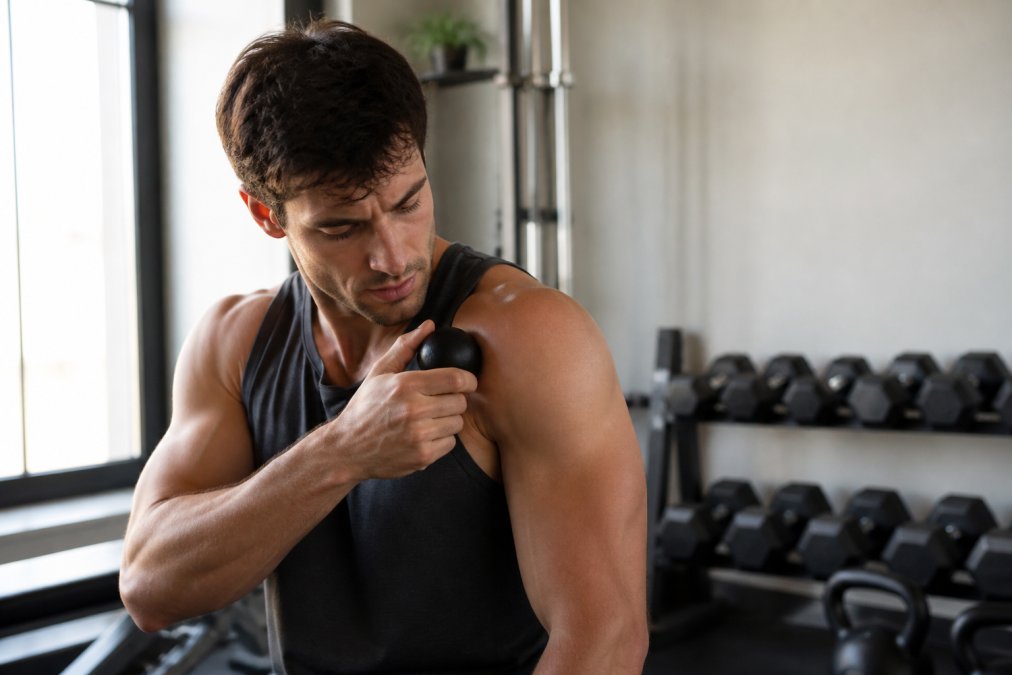
Percussion therapy works best within 2 to 4 hours post-workout, when inflammation is still active and muscle tissue is primed for accelerated recovery. If you're training multiple times per week, a percussion tool becomes one of the fastest ways to manage cumulative muscle fatigue and maintain consistent performance across sessions.
How to Use a Foam Roller for Recovery and Myofascial Release
Foam rolling is myofascial release, a technique that uses sustained pressure to break down adhesions and trigger points in muscle tissue, restoring normal tissue length and improving joint mobility. Unlike percussion therapy's rapid vibrations, foam rolling relies on slower, deliberate pressure that allows you to feel and release specific problem areas. The dimpled or textured surface of a quality foam roller mimics the pressure from a massage therapist's hands, helping to stretch muscles and soft tissues in multiple directions.
The Travel Muscle Recovery Bundle from Bodyhackfitness ($85.41) includes a mini travel foam roller (5.1" × 4.7") made from eco-certified EVA foam with a dimpled surface designed for deeper massage. The compact size makes it practical for home use or taking on trips, and the material maintains its shape through repeated use. The bundle also includes a deep tissue roller stick (14.5 inches) for targeting calves, quads, hamstrings, and thighs, areas that accumulate the most tension from running, cycling, and leg-focused strength training.
Proper foam rolling technique matters more than duration. Focus on slow, controlled movements, spending 30 to 60 seconds on each muscle group. When you hit a tender spot (a trigger point), pause and apply sustained pressure for 15 to 30 seconds rather than rolling continuously. This triggers the nervous system to relax the muscle, allowing deeper release. Common mistakes include rolling too fast (which bypasses the release mechanism) and rolling directly over joints or bones (which can cause injury). Stick to muscle belly, the thickest part of the muscle between joints.
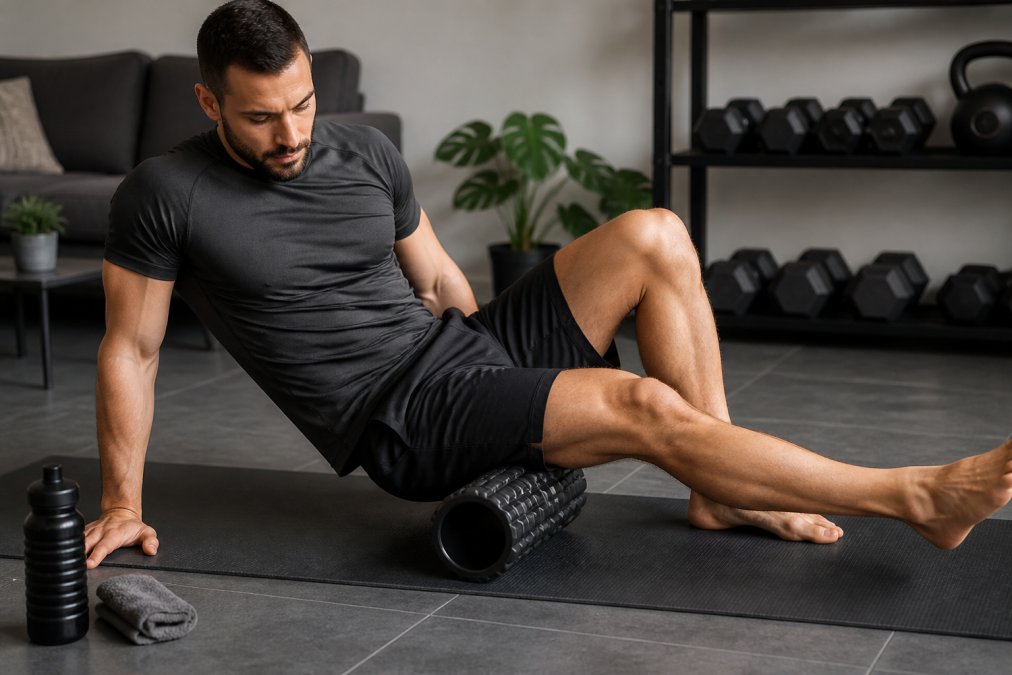
For DOMS and post-workout recovery, foam rolling is most effective 4 to 24 hours after training, when you can tolerate sustained pressure without pain. If you're new to foam rolling, start with lighter pressure and shorter sessions (5 to 10 minutes total), then progress to deeper work as your nervous system adapts. Athletes who incorporate foam rolling 3 to 4 times per week report significantly improved flexibility and reduced muscle tension compared to those who skip it.
Compression Garments and Boots: Reducing Inflammation and Improving Blood Flow
Compression garments apply graduated pressure to muscles and joints, promoting vasodilation (blood vessel expansion) and improving venous return, the flow of blood back to the heart. This enhanced circulation accelerates the removal of inflammatory markers and metabolic waste while delivering fresh oxygen to recovering tissue. Compression is particularly effective for reducing swelling and supporting joint stability during the 24 to 72 hours following intense training.
The Arthritis Fingerless Compression Gloves from Bodyhackfitness ($10.31) provide targeted compression to the hands and wrists, supporting grip strength and reducing inflammation in the forearms and fingers. These are especially useful if your training involves heavy pulling movements or if you experience hand fatigue from gripping during deadlifts or rows. Compression boots and leg sleeves work on the same principle but cover larger muscle groups, calves, quads, and hamstrings, making them ideal for runners and lower-body athletes.

What separates effective compression from marketing hype is the pressure gradient. Quality compression garments deliver 15 to 30 millimeters of mercury (mmHg) of pressure, with slightly higher compression at the distal end (farthest from the heart) to encourage upward blood flow (peer-reviewed research). Wearing compression for 1 to 2 hours post-workout, or overnight for acute soreness, shows measurable improvements in swelling and recovery speed. Many athletes combine compression with elevation, lying down with legs elevated while wearing compression boots accelerates lymphatic drainage even further.
The Adjustable Foot Inversion Corrector from Bodyhackfitness ($12.23) serves a dual purpose: it provides compression and support for the plantar fascia while also gently stretching the foot and ankle. This is valuable if your training includes high-impact movements or if you're managing plantar fasciitis alongside your recovery routine. Wearing it during recovery windows or overnight helps maintain tissue elasticity and prevents stiffness.
Cold Water Immersion, Heat Therapy, and Contrast Recovery Methods
Cold water immersion and heat therapy trigger opposite but complementary physiological responses. Cold causes vasoconstriction (blood vessels narrow), which reduces inflammation and numbs pain, most effective within the first 24 to 48 hours of acute soreness. Heat causes vasodilation, which increases blood flow circulation and promotes tissue repair, most effective 48+ hours post-injury or for chronic muscle tightness.
Contrast therapy (alternating cold and heat) takes advantage of both mechanisms: the temperature shifts trigger a "pump" effect that flushes metabolic waste and brings fresh blood to the tissue. A simple contrast protocol involves 3 minutes of cold (ice bath or cold shower) followed by 3 minutes of heat (warm shower or heating pad), repeated 3 to 4 times. This approach is particularly effective for managing inflammation and accelerating recovery without the joint stress of additional training.
The challenge with cold water immersion is that it's only effective when applied immediately post-workout. Waiting more than 15 to 20 minutes significantly reduces its anti-inflammatory benefit. Heat, by contrast, works well at any point in the recovery window and is often more practical for home use. If you're choosing between the two, heat therapy is the safer, more accessible option for most athletes, it rarely causes harm and consistently improves tissue quality and range of motion.
A practical middle ground: ice for the first 24 hours after acute injury or very intense training, then switch to heat or contrast therapy for days 2 and 3. This timing aligns with the natural inflammatory response and optimizes recovery without suppressing the adaptive processes that make you stronger.
Building Your Post-Workout Recovery Routine
An effective post-workout recovery routine doesn't require expensive equipment or hours of time. The key is strategic sequencing and consistency. Here's a practical framework that works for most training styles:
| Recovery Phase | Duration | Tools | Purpose |
|---|---|---|---|
| Immediate (0-15 min post-workout) | 5-10 min | Cold water or ice | Reduce acute inflammation |
| Active Recovery (15-60 min) | 10-15 min | Percussion massage or foam roller | Increase blood flow, reduce soreness |
| Extended Recovery (4-24 hours) | 10-20 min | Foam rolling, compression garments | Myofascial release, manage swelling |
| Maintenance (48+ hours) | 10-15 min | Heat therapy, stretching, foam rolling | Restore mobility, prevent stiffness |
Start with percussion massage immediately post-workout to increase blood flow circulation and begin flushing metabolic waste. Follow with 5 to 10 minutes of light foam rolling on major muscle groups, focusing on areas that felt most fatigued during training. Within 2 to 4 hours, apply compression garments or boots if you have significant swelling, and consider a contrast therapy session if you have access to hot and cold water.
Over the next 24 to 48 hours, shift emphasis to foam rolling and heat therapy. This is when myofascial release is most tolerable and effective, and when heat promotes tissue repair and flexibility. By day 3 and beyond, focus on maintaining mobility through stretching and light foam rolling, reserving percussion therapy for lingering trigger points.
Budget-Friendly Alternatives and Safety Considerations
You don't need premium equipment to recover effectively. A tennis ball costs $3 to $5 and works remarkably well for trigger point release, especially for the feet, glutes, and upper back. A lacrosse ball ($4 to $8) is slightly firmer and targets smaller areas with more precision. Both fit in a gym bag and travel easily, making them practical for athletes who train away from home.
A yoga knee pad ($9.70 from Bodyhackfitness) serves double duty: it protects your knees during floor work and provides a comfortable surface for stretching and myofascial work. Resistance bands cost $10 to $20 and provide dynamic stretching options that complement foam rolling. A simple barbell pad ($70.27) protects your shoulders and neck during heavy squats and hip thrusts, preventing the discomfort that can linger for days after intense lower-body training.
The reality is that most recovery benefits come from the lowest-cost interventions: stretching, adequate sleep, proper nutrition, and hydration. Tools amplify these fundamentals but don't replace them. If you're choosing between buying expensive recovery equipment or ensuring you sleep 7 to 9 hours per night, sleep wins every time.
Safety considerations matter, especially with percussion therapy and aggressive foam rolling. Never apply percussion directly over joints, bones, or the spine. Avoid foam rolling on areas with acute inflammation or open wounds. If you have a history of blood clots, deep vein thrombosis, or certain cardiovascular conditions, check with your doctor before using compression garments or cold water immersion, these can affect blood pressure and circulation in ways that may complicate existing conditions.
Foam rolling should never cause sharp pain. Discomfort is normal, but pain signals that you're either applying too much pressure or targeting the wrong tissue. Back off intensity and consult a physical therapist if pain persists. Percussion massage is safe for most people but should be avoided immediately post-surgery or on areas with active inflammation or infection.
Muscle recovery tools work best as part of a complete training and recovery strategy. The Bodyhackfitness Travel Muscle Recovery Bundle ($85.41) gives you a practical starting point with a trigger point ball, foam roller stick, foot massagers, and mini foam roller, everything needed for effective myofascial release and blood flow management. Pair it with consistent sleep, proper nutrition, and strategic use of heat or cold, and you'll notice measurable improvements in soreness, mobility, and performance within 2 to 3 weeks. Start with the tools that fit your training style and budget, then expand as your recovery routine becomes non-negotiable.
Frequently Asked Questions
Q: Do percussion massage guns actually work for muscle soreness?
A: Percussion massage guns reduce muscle tension and soreness by increasing blood flow circulation and promoting tissue repair. They target trigger points effectively, helping break down muscle knots associated with delayed onset muscle soreness (DOMS). The Rechargeable High Intensity Vibration Massage Ball ($49.14) offers five intensity levels to customize pressure for your tolerance level and recovery needs.
Q: What is the best muscle recovery tool for beginners?
A: Start with foam rollers or trigger point balls, as they require minimal learning and are budget-friendly. The Travel Muscle Recovery Bundle ($85.41) includes multiple tools for different body areas, making it ideal for beginners exploring various recovery methods. Begin with lighter pressure and shorter sessions, gradually increasing intensity as your body adapts to myofascial release.
Q: How often should you use recovery equipment?
A: Use recovery tools 3-5 times per week for optimal results, with sessions lasting 1-3 minutes per muscle group. Daily use is safe for low-intensity methods like compression garments, but high-intensity percussion massage should be limited to prevent tissue irritation. Listen to your body and adjust frequency based on workout intensity and soreness levels.
Q: Can muscles recover in 24 hours?
A: Complete muscle recovery typically takes 24-72 hours depending on workout intensity and individual factors. Active recovery methods, like light foam rolling, compression garments, and gentle stretching, accelerate this process by promoting blood flow and reducing inflammation. Combining multiple recovery tools addresses different aspects of tissue repair and neuromuscular recovery simultaneously.
Q: What recovery tools work best together?
A: Combine percussion therapy with foam rolling and compression garments for comprehensive recovery. Start with percussion massage to target trigger points and increase blood flow, follow with foam rolling for myofascial release, and finish with compression to manage inflammation. The Travel Muscle Recovery Bundle offers this integrated approach in one portable package for post-workout recovery routines.
This article was written using GrandRanker