

Table of Contents
- Why Recovery Determines Your Training Ceiling
- Sleep and Muscle Protein Synthesis: The Foundation
- Active Recovery Workouts That Actually Work
- Nutrition for Faster Muscle Repair
- Best Supplements for Recovery
- Signs of Overtraining and How to Prevent It
- Using Wearables and Recovery Tools to Train Smarter
- Recovery Periodization for Varied Exercise Routines
Last Updated: August 12, 2026
Why Recovery Determines Your Training Ceiling
Recovery isn't what happens after your workout ends, it's when your body actually builds strength. The difference between athletes who plateau and those who keep improving often comes down to how seriously they treat the 24 hours following intense exercise.
At Bodyhackfitness, we understand that muscle protein synthesis, the biological process where your body repairs and builds muscle tissue, requires specific conditions to happen optimally. Without those conditions, you're leaving gains on the table.
You can't train harder indefinitely without strategic recovery. Your central nervous system has limits. Your glycogen stores deplete. Inflammation accumulates. Push too hard without adequate recovery, and progress stops. The athletes who train harder and recover faster have simply built recovery into their training plan the same way they schedule workouts. This guide walks you through exactly how to do that for varied exercise routines.
Sleep and Muscle Protein Synthesis: The Foundation
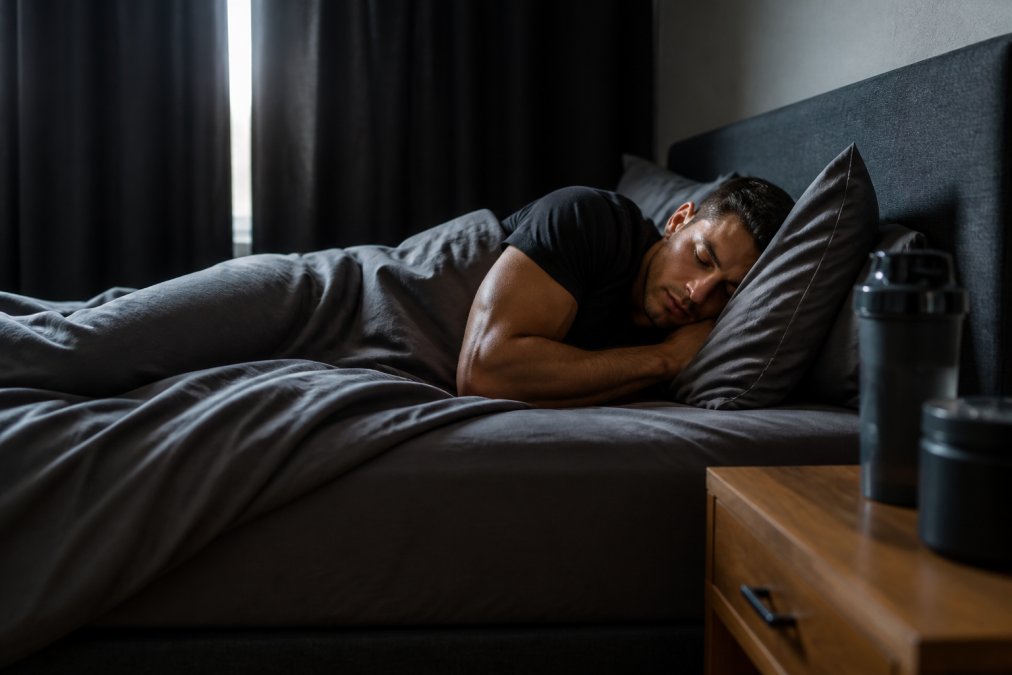
Sleep is where the real work happens. During deep sleep, your body releases growth hormone, repairs muscle tissue damaged during training, and consolidates neural adaptations that make you stronger. Without sufficient sleep, muscle protein synthesis slows dramatically.
Target 7-9 hours nightly for optimal recovery, though individual needs vary based on training intensity and age. If you're doing intense resistance training or high-volume workouts, aim for the higher end.
Sleep quality matters as much as quantity. A disrupted 9-hour night isn't the same as 9 continuous hours. Keep your bedroom cool (around 65-68°F), dark, and quiet. Avoid screens 30-60 minutes before bed. Consistency matters: going to bed and waking at the same time daily helps regulate your circadian rhythm, which directly influences recovery capacity.
Heart rate variability (HRV) measures the variation in time between heartbeats and reflects parasympathetic nervous system activity, essentially, how well your body is recovering. When your HRV is low, your nervous system is stressed and recovery is compromised. When it's high, you're ready for harder training. Checking your HRV each morning gives you real data about whether you're recovered enough for an intense session or should dial back intensity.
Active Recovery Workouts That Actually Work
Active recovery and passive rest serve different purposes, and both belong in your training plan. Passive rest gives your nervous system a genuine break. Active recovery workouts, performed at low intensity, promote blood flow without adding training stress.
Active recovery workouts should feel easy. If you're breathing hard or sweating significantly, the intensity is too high. The goal is to increase circulation to tired muscles, reduce delayed onset muscle soreness (DOMS), and mentally break from intense training. Common options include easy walking, light swimming, gentle cycling, or mobility work.
For athletes managing varied exercise routines, active recovery days bridge different training modalities. If you did heavy leg training yesterday, an active recovery day might involve upper body mobility work or an easy walk. The blood flow helps clear metabolic waste accumulated during intense training, reducing soreness and speeding tissue repair.
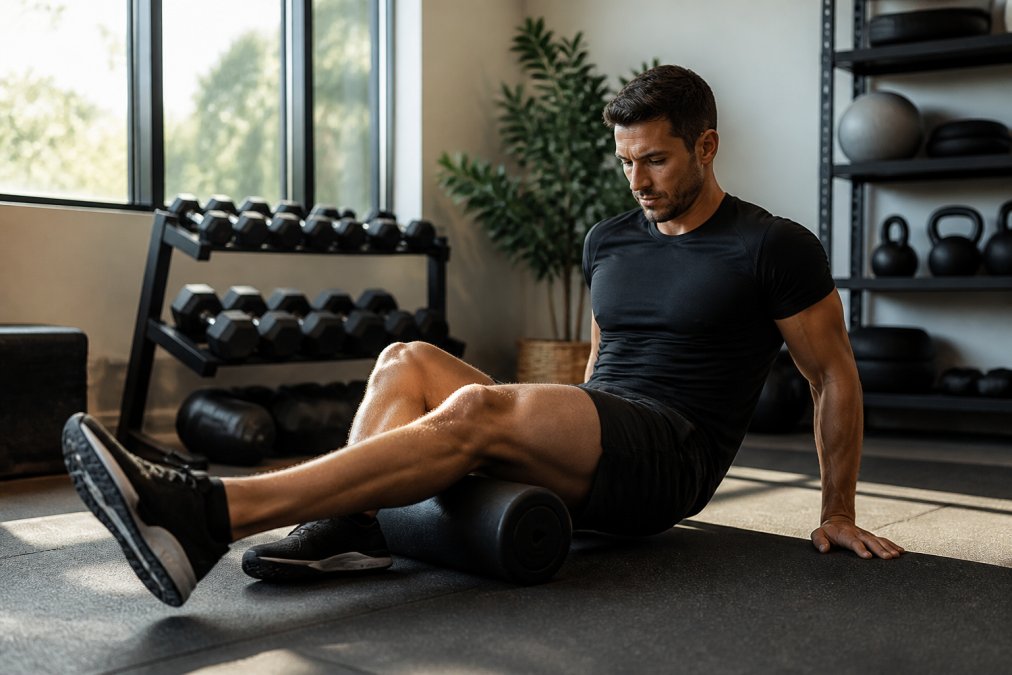
Foam rolling and myofascial release fit naturally into active recovery. A 10-15 minute foam rolling session on your off days or after workouts can meaningfully reduce DOMS and improve range of motion. Roll slowly, spending 30-60 seconds on any area that feels particularly tight.
Nutrition for Faster Muscle Repair
Muscle repair happens when amino acids are available to rebuild damaged tissue. Eating 1.6-2.2 grams of protein per kilogram of body weight daily supports muscle growth and recovery across all training types.
Distribute protein intake across 4-5 meals. A 180-pound person needs roughly 130-180 grams daily, about 30-40 grams per meal. This consistent availability of amino acids supports muscle protein synthesis throughout the day.
Carbohydrates replenish glycogen stores depleted during training. Within 1-2 hours post-workout, consuming carbs with protein helps restore energy. Combine a protein source (chicken, fish, Greek yogurt, whey protein) with carbs (rice, potatoes, fruit, oats).
Hydration and electrolyte balance influence recovery significantly. Sweat contains sodium, potassium, magnesium, and other minerals essential for muscle function. For workouts lasting over 60 minutes or high-sweat sessions, consuming electrolytes improves rehydration and recovery.
Best Supplements for Recovery
Supplementation can support recovery, but it's not a substitute for sleep, training structure, and nutrition. The most evidence-supported supplements include protein powder, creatine monohydrate, and basic micronutrients.
Whey protein powder offers a convenient way to hit daily protein targets. Optimum Nutrition Gold Standard 100% Whey provides 24 grams of protein per serving with minimal added ingredients. Myprotein Impact Whey Protein offers similar quality at a lower price point. Both support muscle protein synthesis when used consistently.
Creatine monohydrate is one of the most researched supplements available. It supports ATP regeneration, improving strength and power output, while promoting muscle growth and recovery. Standard dosing is 3-5 grams daily. It's particularly useful for athletes doing strength training or high-intensity intervals.
Micronutrient status influences recovery. Rather than supplementing individual micronutrients, most athletes benefit more from consistent whole-food nutrition and, if needed, a basic multivitamin.
| Supplement | Primary Benefit | Typical Dose | Best For |
|---|---|---|---|
| Whey Protein | Muscle protein synthesis support | 20-40g daily | Convenient protein intake |
| Creatine Monohydrate | Strength, power, muscle growth | 3-5g daily | High-intensity training |
| Magnesium | Muscle relaxation, sleep quality | 200-400mg daily | Sleep and tension relief |
Signs of Overtraining and How to Prevent It
Overtraining syndrome develops when training stress exceeds your recovery capacity over an extended period. Early signs include persistent fatigue, declining performance despite consistent training, elevated resting heart rate, sleep disturbances, and mood changes like irritability or depression.
Productive fatigue resolves with adequate sleep and nutrition. Overtraining fatigue persists despite recovery attempts. If you're consistently tired, your performance is stalling or declining, and sleep isn't fixing it, you're likely overtraining. The fix requires reducing training volume or intensity for 1-2 weeks.
Managing training volume and intensity prevents overtraining through periodization. Structure your training in blocks: 3 weeks of progressive intensity or volume increase, followed by a deload week at 40-60% normal volume. This allows your body to adapt without accumulating excessive fatigue.
For varied exercise routines, track total training stress across all modalities. Assign relative intensity values to each session type, then track weekly total stress. When weekly stress consistently exceeds your capacity, reduce volume before fatigue accumulates.
Using Wearables and Recovery Tools to Train Smarter
Wearable technology provides objective data about recovery status, sleep quality, and training stress. The WHOOP 5.0 tracks heart rate variability, sleep, and strain metrics continuously. The Garmin Fenix 7 Series offers comprehensive training metrics including recovery time advisor and training status. Both help you understand whether you're recovered enough for intense training.
Heart rate variability data shows your nervous system's recovery status. When HRV is elevated, your parasympathetic nervous system is active and you're recovered. When it drops, your nervous system is stressed. Using HRV data to adjust training intensity prevents overtraining and optimizes performance.
Recovery tools like the Theragun PRO Plus and Hypervolt Go 2 provide percussive massage therapy to reduce muscle tension and promote circulation. Using them 1-2 times daily for 1-2 minutes on tight areas supports faster tissue repair and improved mobility.
For serious athletes, compression therapy systems like the Normatec Pulse 2.0 Leg Recovery System use dynamic air compression to enhance circulation and reduce soreness. While expensive, they're used by professional athletes because they accelerate recovery measurably.
Footwear matters for recovery too. Shoes like the Hoka Bondi 8 provide maximum cushioning for recovery runs and everyday wear. Recovery runs should feel comfortable and easy, so shoes designed for cushioning support this.
Recovery Periodization for Varied Exercise Routines
Recovery needs change based on training age, training intensity, and individual factors. Younger athletes (under 25) generally recover faster than older athletes (40+), but this varies significantly between individuals.
Periodization structures training in phases, each with specific adaptations and recovery demands. A typical macrocycle includes:
- Build phase (3-4 weeks): Progressive intensity increase, moderate recovery needs
- Peak phase (1-2 weeks): High intensity, high recovery demands
- Deload phase (1 week): Reduced volume and intensity, active recovery focus
- Recovery phase (1-2 weeks): Very low intensity, emphasis on mobility and sleep
For hybrid training combining strength, cardio, and skill work, structure each modality within this framework. If your strength training is in a build phase, keep your conditioning work in maintenance mode. When conditioning peaks, dial back strength intensity.
Athletes under 30 often recover adequately with 7-8 hours sleep and basic nutrition. Athletes 40+ typically need 8-9 hours sleep, more attention to protein intake, and longer deload weeks. Recovery modalities like foam rolling and massage become more valuable as age increases.
Training history influences recovery needs. An athlete with 5+ years consistent training recovers differently than someone with 1-2 years experience. Experienced athletes can handle higher volumes but need more sophisticated recovery strategies.
Training harder and recovering faster isn't about doing more, it's about being strategic. The athletes who progress consistently treat recovery as part of their training plan, not an afterthought. They prioritize sleep, manage training volume, fuel appropriately, and use recovery tools intentionally. At Bodyhackfitness, we understand that your training environment includes both equipment for hard work and tools for recovery. Whether you're investing in wearables to track your recovery metrics, percussion massage devices to reduce soreness, or premium recovery shoes for active recovery days, the right equipment supports your overall strategy. Start with the fundamentals, sleep, nutrition, and active recovery, then add tools that match your training needs. Shop now and build the complete training and recovery environment that lets you progress consistently.
Frequently Asked Questions
How does active recovery differ from passive rest?
Active recovery involves light movement like walking, swimming, or yoga at 40-60% of your max heart rate, which increases blood flow and reduces delayed onset muscle soreness. Passive rest means complete inactivity. Active recovery removes metabolic waste faster and maintains parasympathetic nervous system activation, making it superior for most athletes training varied routines. Use passive rest only after extremely intense efforts or during deload weeks.
What are the best supplements for recovery?
Whey protein (24g per serving) supports muscle protein synthesis when consumed within 2 hours post-workout. Creatine monohydrate (5g daily) enhances ATP regeneration and strength recovery. Electrolyte supplementation (sodium, potassium) restores glycogen and hydration balance. Timing matters: protein immediately post-workout, creatine consistently daily. Individual needs vary by training intensity and body composition.
How much sleep do I need to recover from intense training?
Most athletes require 7-9 hours nightly for full recovery. During sleep, your body releases growth hormone and completes muscle protein synthesis. Heart rate variability improves with consistent sleep, indicating better parasympathetic recovery. Track your sleep quality using wearables; if HRV drops or resting heart rate rises, you need more sleep. Prioritize sleep over extra training volume.
What are the signs of overtraining I should watch for?
Watch for elevated resting heart rate (5+ bpm above baseline), declining performance despite increased effort, persistent fatigue, mood changes, frequent illness, and reduced motivation. Heart rate variability drops significantly with overtraining syndrome. If you notice these signs, reduce training volume by 40-50% for 3-5 days and prioritize sleep, hydration, and nutrition. Wearables like WHOOP 5.0 flag overtraining risk automatically.
This article was written using GrandRanker