


Last Updated: November 14, 2026
Quick Summary
The benefits of using digital fitness trackers come down to self-monitoring: seeing your daily steps, active minutes, and resting heart rate in one place helps you notice patterns and move more. Research shows fitness trackers are effective at increasing physical activity and supporting modest weight loss, but they work as a feedback tool, not a magic fix.
- Wearable activity-tracker interventions are effective at increasing physical activity and supporting modest weight loss.
- Wear your tracker for seven days without changing anything to set a baseline.
- Smartphone apps and wearable trackers helped participants add nearly 1,100 steps per day.
- Step counts are the most reliable consumer metric; sleep stages are the least reliable.
- Buying a feature-heavy device before you have a routine is the most common mistake.
Table of Contents
- Why Digital Fitness Trackers Are Worth Wearing
- The Core Benefits of Using Digital Fitness Trackers
- How to Use a Fitness Tracker to Reach Fitness Goals
- Are Fitness Trackers Accurate Enough to Trust?
- Choosing a Fitness Tracker for Sleep Tracking
- The Downsides of Fitness Trackers You Should Know
- Pick Your Tracker and Start Tracking Today
- Frequently Asked Questions
Why Digital Fitness Trackers Are Worth Wearing
Adoption of wearable devices for health or activity tracking among U.S. adults rose 58% between 2019 and 2024, according to a national analysis of wearable-device adoption. That surge explains why so many shoppers now ask us at Bodyhackfitness whether the benefits of using digital fitness trackers justify the cost. The short answer: they can, but only when you treat the device as a feedback tool rather than a magic fix. Below, we break down what fitness trackers actually do well, where they fall short, and how to pick one that fits your routine.
The Evidence Behind Activity Tracking
The strongest case for tracking comes from research, not marketing. A systematic review and meta-analysis in The Lancet Digital Health concluded that wearable activity-tracker interventions are effective at increasing physical activity and supporting modest weight loss across clinical and nonclinical populations. That matters because it frames the device as a behavior-change aid, not a medical treatment. A fitness tracker is a wrist-worn sensor that records movement, heart rate, and sleep patterns, then reports those numbers back to you through an app. The value lives in what you do with those numbers.
The Core Benefits of Using Digital Fitness Trackers
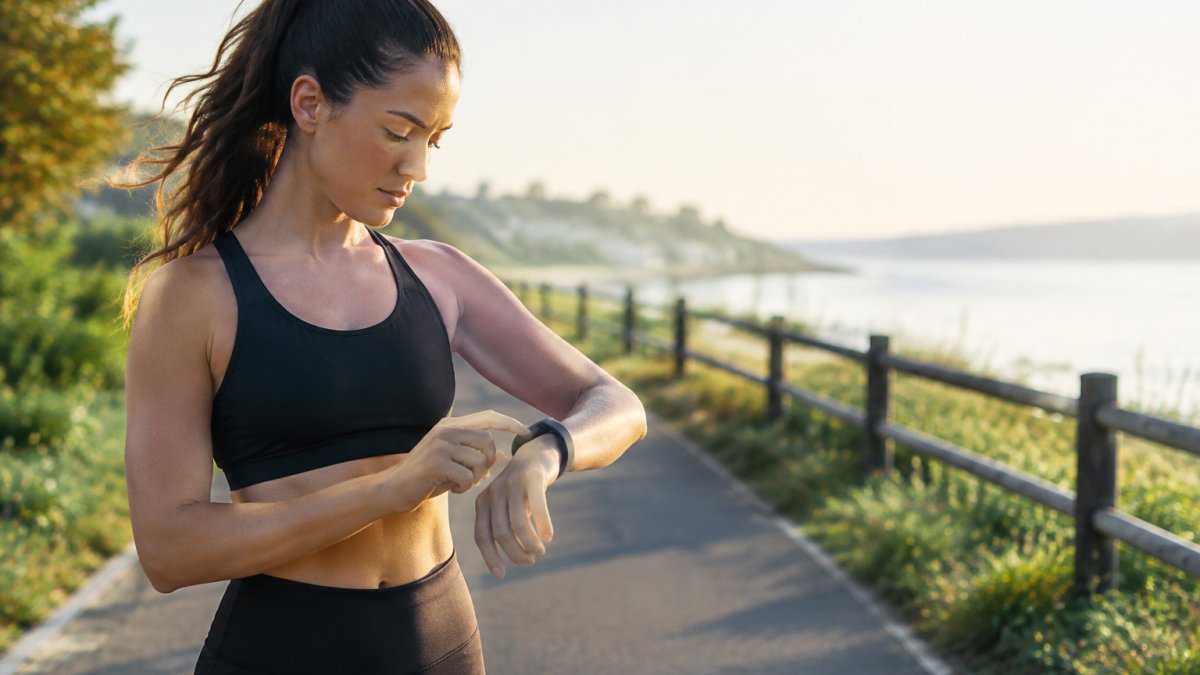
The benefits of using digital fitness trackers come down to one mechanism: self-monitoring. When you can see your daily steps, active minutes, and resting heart rate in one place, you notice patterns you would otherwise miss. That visibility pushes most people to move more without forcing it.
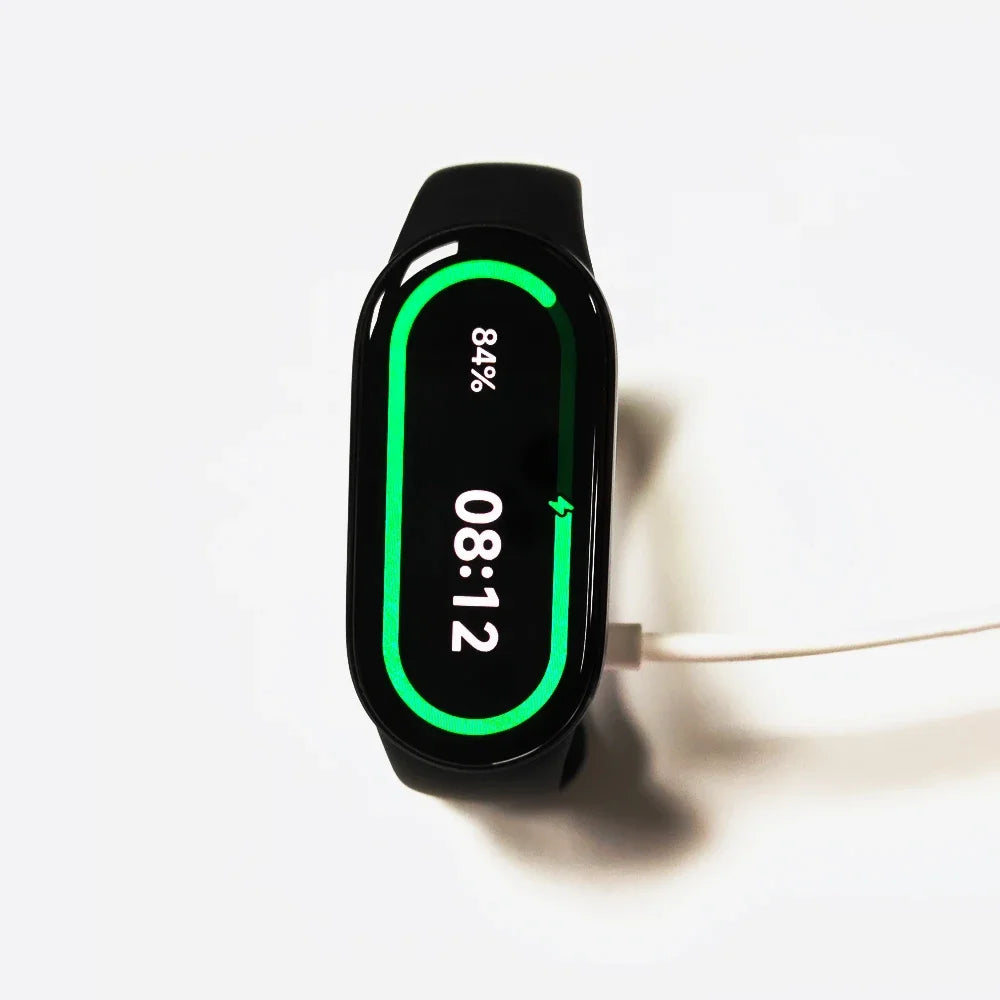
Our MOLED Fitness Tracker Black has a sandblasted aluminum alloy body and weighs 15.95g without the strap.
Heart Rate, Steps, and Calorie Tracking
Heart rate monitoring is the headline feature, and for good reason. Heart-rate zones are a common way to gauge exercise effort and classify workout intensity. Step counts and distance traveled handle the basics of daily movement. Calorie tracking estimates energy expenditure, and while those numbers are rough, they give you a baseline to adjust against over weeks, not days.
Motivation, Accountability, and Real-Time Feedback
Visible progress is its own motivator. Movement reminders nudge you off the couch during sedentary stretches, and companion apps turn raw data into trends you can actually read. A report on people with heart disease found that smartphone apps and wearable trackers helped participants increase physical activity by nearly 1,100 additional steps per day, per American Heart Association News. That is the accountability loop working as intended.
How to Use a Fitness Tracker to Reach Fitness Goals
Getting results means setting personalized goals and reviewing your data on a schedule. Start with one target, track it for two weeks, then adjust based on what the numbers show.
- Set a baseline. Wear the tracker for seven days without changing anything.
- Pick one goal. A step count, three workouts a week, or a sleep target.
- Check weekly trends. Ignore single-day dips; look at the pattern.
- Adjust in small steps. Add 500 steps or one session at a time.
- Pair tracking with a plan. Structured programs keep you from guessing.
That last point is where a beginner-friendly plan helps. Our Digital Fitness Programs for Beginners: 2026 Guide walks through building a routine that pairs with your tracker, and the 1.95-inch Smartwatch Fitness Tracker With Multiple Exercise Modes gives you 100+ sport modes to log against your plan.
Are Fitness Trackers Accurate Enough to Trust?
Fitness trackers are accurate enough to guide behavior, but not precise enough to treat as clinical measurements. The useful question is not "is this number right?" but "which numbers can I act on, and which should I only read as trends?" A University of Colorado Anschutz Medical Campus article notes that not all wearable measurements are completely accurate while still describing the data as useful. The practical answer differs by metric.
Which Metrics Hold Up and Which Drift
Step counts are the most reliable consumer metric. Wrist-worn accelerometers count arm swings well, and most devices land close to a manual count during steady walking. They get shakier during pushing a cart, carrying groceries, or cycling, where the wrist barely moves and steps go uncounted.
Heart rate is reliable at rest and during steady, moderate exercise, but wrist-based optical sensors read blood flow through the skin, so they lag during fast intervals and can lock onto your cadence instead of your pulse during activities that flex the wrist, such as rowing or lifting.
Calorie burn is an estimate built from your heart rate, weight, and an activity model, not a measurement. Different devices can disagree on the same workout, so treat the number as a relative baseline for comparing your own weeks, not an absolute ledger.
Sleep stages are inferred from movement and heart rate, not brain waves. Total sleep time is reasonably close; the split between light, deep, and REM is the least reliable output and should not be read as a clinical sleep study.
Blood oxygen and stress scores are directional signals at best. A single low reading is not a diagnosis, and a single high stress score is not a panic button.
When to Stop Trusting the Wrist
Watch out: if you have a diagnosed heart condition, take medication that affects heart rate, or are training for an event where pacing matters, a wrist reading is not a substitute for a chest strap, an ECG, or a clinician's measurement. The same applies to any symptom that worries you. A tracker can prompt a conversation with a healthcare professional, but it cannot replace one.
How to Get Useful Data Anyway
Use trends, not decimal points. Compare this week's resting heart rate to last month's, not today's to yesterday's. Wear the device the same way each time, snug but not tight, and keep it on the same wrist. When a number looks wrong, check the basics first: a loose band, a hairy wrist, cold hands, and a dying battery all degrade optical readings. If you need a number you can defend to a clinician, bring the trend, the device name, and the time window, and let them decide what it means.
Choosing a Fitness Tracker for Sleep Tracking
Sleep tracking works best when the device is comfortable enough to wear all night and detailed enough to separate sleep stages. Look for automatic sleep detection, light/deep/REM breakdowns, and a silent alarm that wakes you without disturbing a partner.
Our 1.41-inch Health Smartwatch Fitness Tracker tracks sleep analysis alongside blood oxygen, heart rate, and stress, which gives you a fuller picture of recovery. The Fitness Tracker Smart Wristband Purple includes guided breathing sessions and auto sleep tracking, with battery life of up to 5 days.
| Feature | MOLED Fitness Tracker Black | Fitness Tracker Smart Wristband Purple |
|---|---|---|
| Price | $203.16 | $121.03 |
| Display | 1.62" MOLED | OLED |
| Battery life | Not listed | Up to 5 days |
| Sleep tracking | Yes | Auto sleep tracking |
| Best for | All-day wear and workouts | Sleep and recovery focus |
The Downsides of Fitness Trackers You Should Know
The downsides of fitness trackers are real, and honest shoppers should weigh them before they sync a single workout. The biggest is not the hardware. It is what the hardware collects and where that data goes.
Privacy and Data Security
These devices collect personal health and activity data, and The Missouri Bar's discussion of wearable data privacy flags how that information gets collected and shared. The practical risks fall into four buckets:
- Permissions. A fitness app often asks for location, contacts, and background activity access it does not need to count steps. Grant the minimum, and review permissions after each app update.
- Data storage. Some apps keep your history on the device, some in the cloud, and some in both. Know which one you are using, and export your data periodically so you are not locked in.
- Third-party sharing. Health data is frequently shared with analytics vendors, advertisers, or research partners under broad terms of service. Read the privacy policy for the words "share," "partner," and "research," and opt out where the app allows it.
- Account security. A tracker account is a health record. Use a unique password, turn on two-factor authentication if offered, and remove old devices from the account when you upgrade.
Watch out: a free app that asks for full health-data access is a business model, not a gift. If you cannot find how the company makes money, assume your data is part of the answer.
Accuracy Limits and the Consistency Trap
Accuracy limits matter too, as covered above. The other quiet downside is the consistency trap: a tracker you stop wearing delivers zero benefit, and the streak features meant to keep you engaged can backfire when a missed day turns into a missed month. A common pattern is an all-or-nothing spiral after a broken streak. Treat the streak as a nudge, not a scorecard.
Cost, Comfort, and Fit
A feature-heavy device you do not enjoy wearing is money wasted. Band material matters for skin sensitivity, battery life matters for sleep tracking, and a bulky case can make night wear uncomfortable. Try the device for a week before you commit to a long-term plan, and check the return window.
The Buying Mistake We See Most
Buying a feature-heavy device before you have a routine is the most common mistake we see. Start simple, build the habit, then upgrade. The best tracker is the one you will still be wearing in six months.
Pick Your Tracker and Start Tracking Today
The benefits of using digital fitness trackers hold up when you commit to the habit, not just the hardware. Pick a device that fits your wrist, your sleep, and your goals. Browse our MOLED Fitness Tracker Black to see the full spec sheet, or explore our workout apps for home fitness to build the routine that makes your data meaningful. Shop now and start tracking.
The hardest part of fitness is not buying the device; it is showing up for week three. Bodyhackfitness curates premium trackers and digital programs designed to keep you consistent, with detailed health monitoring, multiple exercise modes, and beginner-friendly plans that meet you at your level. Get started with Bodyhackfitness and turn your daily numbers into steady progress.
Frequently Asked Questions
What are the downsides of wearing a fitness tracker?
The main drawbacks are accuracy limits and privacy. Not all wearable measurements are completely accurate, so treat the numbers as useful guidance rather than exact truth. Trackers also collect personal health and activity data, which raises privacy questions worth reviewing. Some people also stop wearing them once the novelty fades, so pair the device with a routine you can keep.
Are fitness trackers accurate?
It depends on what is being measured. Step counts and heart rate readings are generally reliable enough for everyday training decisions, while calorie burn and sleep staging are rougher estimates. Not all wearable measurements are completely accurate. Use trends over weeks rather than single readings, and compare against how you actually feel to get the most from the data.
Can a fitness tracker help you reach your fitness goals?
Yes, when you use it deliberately. Research on wearable activity-tracker interventions has examined their effect on physical activity and weight loss. Set one clear goal, review your data weekly, and adjust based on what the numbers show.
How can a fitness tracker improve sleep habits?
A tracker for sleep tracking shows sleep duration and quality patterns you would otherwise miss. Wear it consistently for two to three weeks, then look for the nights you slept worst and what preceded them, such as late workouts or screen time. Use the data to set a consistent bedtime and track whether the change helps. Treat sleep scores as directional signals, not medical measurements, and speak with a clinician about persistent problems.
