


Table of Contents
- Why Cold Water Immersion Is Worth Trying as a Beginner
- 1. Eases Muscle Soreness and Speeds Post-Exercise Recovery
- 2. Tames Inflammation and Constricts Blood Vessels
- 3. Boosts Circulation and Blood Flow
- 4. Lifts Mood and Calms the Nervous System
- 5. Builds Breathing Control and Cold Tolerance
- How to Cold Plunge Safely: A Gradual Beginner Protocol
- Cold Plunge Duration for Beginners: How Long Is Enough?
- Frequently Asked Questions
Last Updated: October 17, 2026
Why Cold Water Immersion Is Worth Trying as a Beginner
Cold water immersion is the practice of submerging your body in cold water for a short, controlled period to trigger a physical response.
The 5 benefits of cold water immersion for beginners come down to five things: less soreness, calmer inflammation, better circulation, a steadier mood, and real control over your breathing. None of them require a heroic plunge.
Below, we break down each one, then give you a gradual protocol and honest guidance on how long to stay in. Here's what most guides get wrong: they sell the shock, not the habit. The habit is what works.
1. Eases Muscle Soreness and Speeds Post-Exercise Recovery
The most common reason beginners try a cold plunge is muscle soreness. Cold water immersion muscle recovery support is the benefit people report first, and it's the easiest to build a routine around.
Here's the mechanism in plain terms. Cold water narrows blood vessels near the skin, which can ease swelling and take the edge off that heavy, achy feeling after a hard session.
A few practical notes:
- Keep the water genuinely cold but not painful
- Stay in for a short window, not a marathon
- Use it consistently, not once a month
- Pair it with sleep and food, which do most of the real work
What most guides miss is that cold water is a recovery tool, not a substitute for recovery basics. It helps you feel better faster. It won't fix a training plan that's too aggressive.
2. Tames Inflammation and Constricts Blood Vessels
Cold exposure triggers vasoconstriction, which is the narrowing of blood vessels. This is the body's natural response to cold, and it's why an ice pack on a swollen joint feels so good.
The narrowing reduces blood flow to the area for a short time. That can calm the heat and puffiness that come with inflammation after exercise or a long day on your feet.
For beginners, the key is short and repeatable:
- Aim for a controlled chill, not numb skin
- Get out before you start shivering hard
- Warm up naturally afterward
- Watch how your joints feel the next day
If you have joint pain that's constant or getting worse, talk to a doctor before using cold therapy as a fix. Cold helps manage a response. It doesn't diagnose the cause.
3. Boosts Circulation and Blood Flow
Circulation is where cold water immersion earns its reputation. The cycle of narrowing and widening blood vessels acts like a pump for your vascular system.
When you step into cold water, blood vessels near the skin tighten. When you step out and warm up, they relax and open.
Beginners often notice warm skin and a light, awake feeling after a plunge. That's the circulation shift doing its thing.
A simple way to think about it:
- Cold narrows the pipes
- Warmth opens them back up
- The cycle trains your vascular response
This is also why cold water therapy is popular with people who sit at a desk all day. A short plunge is a quick way to wake up your system.
4. Lifts Mood and Calms the Nervous System
Cold water is a mood tool as much as a physical one. The rush of cold triggers a strong nervous system response, and many people describe feeling alert, clear, and oddly calm afterward.
The reason is straightforward. Cold exposure pushes your body into a stress response, then lets it settle. That contrast can leave you feeling more grounded and less wound up.
Stress reduction and relaxation may sound like opposites of a cold shock, but they're linked. You expose yourself to a controlled stressor, breathe through it, and come out the other side calmer.
5. Builds Breathing Control and Cold Tolerance
Cold shock is the gasp, the racing heart, and the panic that hits in the first few seconds. It's normal. It's also the exact thing you learn to manage.
Breathing control is the skill that makes cold water immersion safe and repeatable. Slow, deep breathing tells your nervous system that you're okay. Over a few weeks, that control carries into the rest of your life.
Cold tolerance builds the same way. What felt unbearable in week one becomes manageable by week four. That's gradual exposure working.
What you're training:
- Slow breathing through the initial shock
- Staying calm instead of tensing up
- Getting in and out with control
- Repeating it often enough to adapt
| Benefit | What You'll Notice | Realistic Timeline |
|---|---|---|
| Less muscle soreness | Aches ease after training | First few sessions |
| Calmer inflammation | Less heat and puffiness | 1-2 weeks of regular use |
| Better circulation | Warm, alert feeling after | 2-4 weeks |
| Mood lift | Clearer, calmer headspace | Often immediate, builds with habit |
| Breathing control | Less panic at entry | 2-4 weeks of gradual exposure |
How to Cold Plunge Safely: A Gradual Beginner Protocol
Safety comes down to starting easy and building up in measurable steps. The protocol below is a common beginner progression used by home-plunge practitioners; individual tolerance varies, so treat the numbers as starting points, not targets to beat.
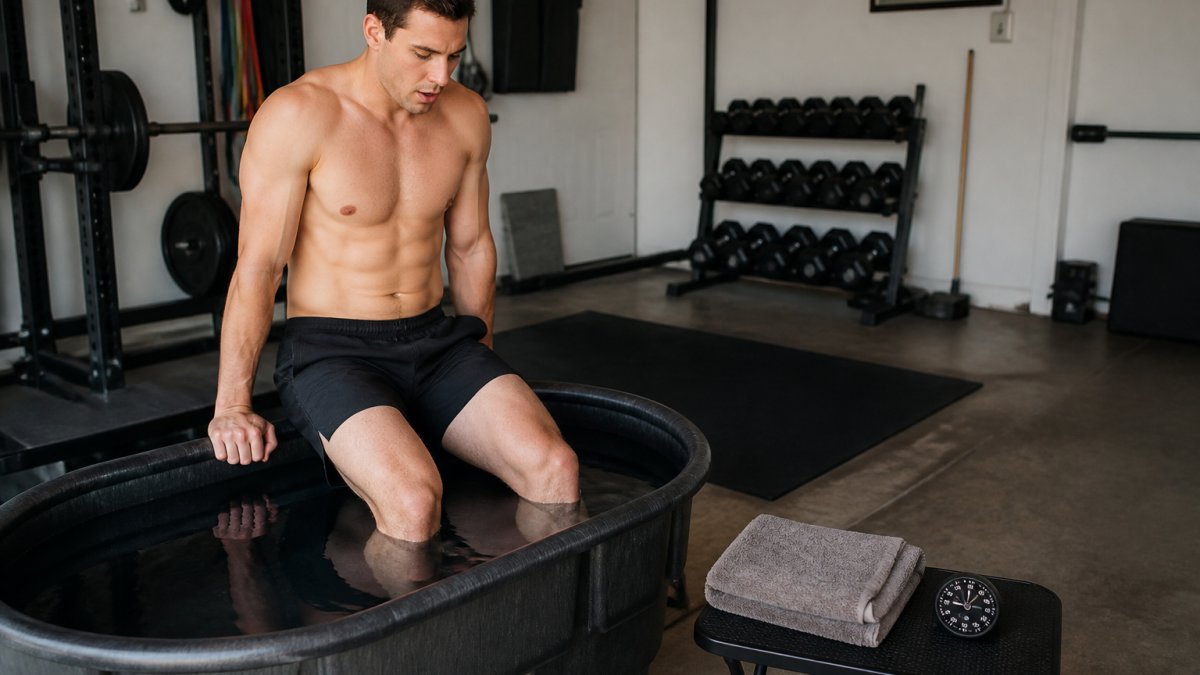
A four-stage progression
- Stage 1, Cold shower finish (weeks 1-2). End your normal shower with 30-60 seconds of cold tap water. Aim for a cool-to-cold temperature you can stand without gasping, roughly 60-70°F. Do this 3-5 times per week. The goal is familiarity with the sensation, not duration.
- Stage 2, Lower-body immersion (weeks 2-4). Fill a tub with cold tap water plus a tray of ice if needed to reach roughly 55-60°F. Sit with your legs submerged for 1-2 minutes, 2-3 times per week. Add the torso only when leg immersion feels routine.
- Stage 3, Full immersion, short (weeks 4-8). Target 50-55°F for 1-3 minutes, 2-3 times per week. Enter slowly, keep your hands out if that helps, and focus on long exhales. Get out at the first sign of hard shivering.
- Stage 4, Maintenance (week 8 onward). Hold 45-55°F for 2-4 minutes, 2-3 times per week. There is no benefit to pushing colder or longer once you have a repeatable routine; consistency is the variable that matters.
Rules that apply at every stage
- Breathe before you descend. Take one slow exhale as your feet touch the water, then another as you sit. Gasping means the water is too cold or you entered too fast.
- Enter in stages. Feet, then legs, then torso. Jumping in head-first spikes the cold shock response and is the most common reason beginners quit.
- Set a timer and get out on time. Use a phone timer rather than guessing; the urge to stay "just a bit longer" is how beginners overshoot.
- Rewarm passively. Dry off, dress in warm layers, and let your body rewarm on its own. A warm shower immediately after blunts the vascular cycle the practice is built around.
- Never plunge alone. Cold shock can cause dizziness and rapid breathing; have someone nearby for your first several sessions.
- Skip alcohol and exhaustion. Never plunge after drinking or when you are already fatigued or overheated from exercise.
Who should talk to a clinician first
Cold water immersion causes an immediate spike in heart rate and blood pressure, so it is not a universal practice. Check with a doctor before starting if you have a heart condition, uncontrolled high blood pressure, a history of stroke, or Raynaud's phenomenon, or if you are pregnant. Stop immediately and seek medical advice if you experience chest pain, prolonged dizziness, confusion, or numbness that does not resolve after rewarming. The Mayo Clinic overview of cold water therapy covers who should be cautious.
Cold Plunge Duration for Beginners: How Long Is Enough?
Cold plunge duration for beginners should start at 30 seconds to 2 minutes and build slowly. More is not better here, consistency beats duration, and the method you choose changes what a sensible starting point looks like.
Cold shower vs. home plunge vs. ice bath
| Method | Typical Water Temp | Typical Time | Cost to Start | Best For |
|---|---|---|---|---|
| Cold shower | 60-70°F | 30-90 seconds | $0 | True beginners testing tolerance |
| Home cold plunge (tap water + ice) | 50-60°F | 1-3 minutes | Tub plus ice, roughly $10-$30 per week in ice | Building a steady habit |
| Ice bath (dedicated tub or chest freezer) | 45-50°F | 2-5 minutes | Several hundred to over $1,000 for equipment | Experienced users with a routine |
The exposure is not equivalent across methods. A 60-second cold shower delivers a milder cold shock response than 60 seconds in a 45°F tub, so do not compare your shower time to someone's ice-bath time. Pick the method you will actually repeat, then progress within it.
What to expect, and when
Realistic expectations matter more than any single number. Here is a common pattern beginners report:
- First session: A strong gasp and racing heart at entry, then a surprising calm once breathing settles. The mood lift is often immediate.
- First 1-2 weeks: Easier entries and less dread. Soreness relief after training is usually the first physical benefit noticed.
- Weeks 2-4: Steadier mood and a warm, alert feeling after sessions. Breathing control at entry becomes automatic.
- Beyond 4 weeks: Benefits become habit-dependent. Miss a week and entries get harder again, cold tolerance fades without repetition.
What you should not expect: cold immersion is not a treatment for depression, a weight-loss method, or a substitute for sleep and nutrition. Claims about metabolism and fat loss are preliminary and should not drive your decision to start.
One trade-off most benefit lists skip
If your goal is strength or muscle gain, timing matters. Doing a cold plunge immediately after a strength session may blunt some of the training adaptations you are working for, because the same constriction that eases soreness can dampen the inflammatory signaling that drives muscle growth (pubmed.ncbi.nlm.nih.gov). A common compromise is to separate cold exposure from strength training by several hours, or to save plunges for rest days and use them after endurance work instead. If recovery from soreness is your main goal, post-session plunging is fine, just know the trade-off exists.
Frequently Asked Questions
How long should a beginner stay in cold water?
Start with 30 to 60 seconds at a water temperature around 50 to 59 degrees Fahrenheit, then step out. Over two to four weeks, add 15 to 30 seconds per session until you reach 2 to 3 minutes. Cold plunge duration for beginners matters less than consistency and control, so stop as soon as shivering becomes intense or your breathing feels unmanageable. A timer helps you avoid overstaying.
Is cold water immersion safe for everyone?
No. Cold water immersion carries real cold plunge risks and side effects, including cold shock, elevated heart rate, and blood pressure spikes. People with heart conditions, high blood pressure, circulation disorders, or who are pregnant should talk to a doctor first. Never plunge alone, never use alcohol beforehand, and exit immediately if you feel dizzy, numb, or short of breath.
Can cold water immersion help with muscle soreness?
Many beginners report less soreness after cold water immersion muscle recovery sessions, especially in the 24 to 48 hours after hard training. Cold water constricts blood vessels, which can reduce swelling and calm inflamed tissue. It is not a cure-all, and research on performance gains is mixed, so treat it as one recovery tool alongside sleep, protein, and easy movement rather than a replacement.
What should you do after a cold plunge?
Dry off immediately, put on warm layers, and let your body rewarm gradually with light movement rather than a hot shower. Drink water, eat a meal with protein and carbs if you trained, and note how you feel for the next few hours. Skipping the rewarm phase can leave you shivering longer than needed, so give yourself 10 to 15 minutes to return to normal temperature.